



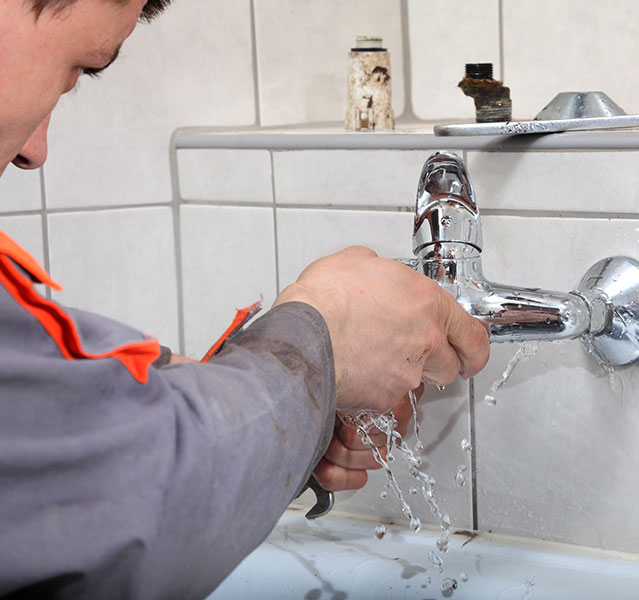
A tap that won’t stop dripping is more than background noise. Left alone, a single leaking tap in an average home can waste well over 20,000 litres of water a year and add real dollars to every water bill that lands in the letterbox. In newer builds across Caroline Springs, Taylors Hill, Hillside and the wider Melton growth corridor, that steady drip usually points to a worn ceramic disc cartridge inside a mixer tap, not the old rubber washer you might remember from a parents’ or grandparents’ place — and that changes how it should be fixed.
This guide walks through what’s actually happening inside a leaking tap, what you can safely repair yourself under Victoria’s plumbing rules, and when it’s worth calling a licensed plumber before a small drip turns into water damage under the cabinet. MKS Plumbing services homes across Caroline Springs, Williamstown, Point Cook, Hoppers Crossing and Geelong, and this is the same troubleshooting process our technicians use on site every week.
What to Do the Moment You Notice a Leaking Tap
Before you touch a spanner, the first job is to stop the leak from doing any damage while you work out whether it’s a five-minute fix or a job for a licensed plumber.
Find the isolation valve. Most homes built in Caroline Springs and the surrounding estates since the 1990s have individual isolation valves under the kitchen sink, behind the vanity, or at the toilet. Turn the valve clockwise to shut off water to just that fixture — no need to cut water to the whole house.
No isolation valve, or it won’t budge? Head to the water meter, usually near the front boundary or in a meter box, and turn the main tap off. If it’s stiff from years of not being touched, a water meter key or a good pair of multigrips will help. This is worth knowing before an emergency, not during one.
Relieve the pressure and dry the area. Once isolated, open the tap fully to drain any water left in the line, then mop up and dry the cupboard, floor or vanity underneath. Standing water against chipboard cabinetry or skirting can cause swelling and mould within days.
Contain rather than dismantle if you’re unsure. A towel or bucket buys you time. Don’t start unscrewing fittings you don’t recognise — a stripped thread or a cracked cartridge turns a $15 repair into a full tap replacement.
Call a plumber straight away, don’t wait, if: the isolation valve is seized and you can’t stop the flow, water is coming from inside a wall or ceiling cavity, a hot water tap is leaking near a power point or switchboard, or you’ve already noticed a stained ceiling, bulging paint or soft flooring nearby.
Common Causes of a Leaking Tap
Not every leaking tap fails for the same reason, and the fix depends entirely on which part has worn out. Here’s what’s usually behind it.
Worn washers in compression taps
Older-style taps with separate hot and cold handles that take several turns to close are compression taps. Inside, a rubber or nylon washer presses against a valve seat to stop the flow. That washer hardens and wears with use, which is why a kitchen tap leaking at the base or a bathroom tap leaking continuously is often traced straight back to it. This is the classic dripping tap repair, and it’s common in the older housing stock around Williamstown, Point Cook and parts of Geelong.
Failed cartridges in mixer taps
Newer estates across Caroline Springs are dominated by single-lever mixer taps, which use a ceramic disc cartridge instead of a washer. Ceramic discs are more durable than rubber, but they still wear, chip or get jammed by grit in the line — and a leaking mixer tap repair almost always means replacing the whole cartridge rather than a single washer. This is the most common cause of a leaking tap MKS Plumbing sees across Caroline Springs and Taylors Hill.
Faulty O-rings and loose fittings
If water is leaking around the tap handle or down the spindle when the tap is running, rather than dripping from the spout when it’s off, the O-ring has usually perished. A loose tap repair — where the whole tap wobbles at the base — often has the same cause, or points to a loose mounting nut under the sink.
Corroded valve seats and spout leaks
If a washer’s been replaced but the drip keeps coming back, the valve seat it presses against may be pitted or corroded. A spout leaking repair in this case needs either a seat re-facing tool or a full tap valve replacement, since a new washer against a damaged seat will fail again quickly.
Local water conditions in Melbourne’s west
Caroline Springs and the surrounding suburbs sit in Greater Western Water’s (formerly City West Water’s) service area, one of the drier parts of metropolitan Melbourne. Mains pressure across newer western estates also tends to run higher than in older, established suburbs, which accelerates wear on cartridges and washers alike. It’s part of why tap components in this part of Melbourne often need attention a little sooner than manufacturers’ guides suggest.
DIY vs Professional Intervention: What’s Actually Safe to Attempt
Under Victoria’s plumbing regulations, homeowners are permitted to repair or replace tap washers and carry out other minor tap repairs themselves, without being a licensed plumber, along with changing a showerhead. That’s genuinely good news if your leak turns out to be a straightforward washer, and it’s why replacing a tap washer remains one of the most common weekend jobs in Australian homes. (Rules differ slightly by state, so if you’re reading this outside Victoria, it’s worth checking with your local building authority first.)
Where it gets riskier is everything past that basic swap. Replacing a ceramic disc cartridge, re-facing or replacing a valve seat, or doing any work that involves disconnecting a tap from the wall or bench sits outside what’s considered minor maintenance — and it’s easy to get wrong. An over-tightened cartridge can crack on the first use, a mismatched replacement part can leave a tap leaking worse than before, and a botched seal on a mixer tap connected to both hot and cold lines can mean a much bigger repair (and bill) than the one you started with.
A rough rule of thumb: if you can see the fault, it’s a straightforward washer or O-ring, and you’re comfortable with basic tools, it’s usually safe to try. If the tap is a sealed mixer unit, the leak is coming from inside a wall, it involves the hot water line, or you’ve already had a go and it’s still leaking, that’s the point to call a licensed plumber. Getting it right the first time is almost always cheaper than a second visit to fix a DIY attempt gone wrong — and a licensed plumber’s work is backed by a guarantee, which a Saturday-afternoon repair isn’t.
Emergency Plumbing Services Available From MKS Plumbing
Sometimes a leaking tap isn’t a weekend project at all — it’s water hitting the ceiling below, a cartridge that’s seized solid, or a fitting that’s cracked and won’t hold a seal no matter what you try. MKS Plumbing operates 24/7 across Caroline Springs, Williamstown, Point Cook, Hoppers Crossing and Geelong, with same-day response for urgent calls so a leaking tap doesn’t turn into a bigger repair overnight.
Our licensed technicians carry a full range of washers, O-rings and cartridges for the tap brands most common in Melbourne’s west, so most leaking tap repairs are completed in a single visit. Where a leak has been running long enough to cause damage, or where we suspect the problem isn’t the tap at all but a hidden fault further along the line, we also offer full leak detection and CCTV drain inspection to find the actual source rather than treating the symptom. With over 20 years in the trade and every job backed by a six-year workmanship guarantee, it’s fixed once, properly.
If the same visit turns up a related issue, like ageing pipework prone to burst pipes or drainage that’s slow to clear, we can address that in the same call-out rather than sending you back to square one.
Prevention & Maintenance: Avoiding the Next Leak
Most leaking taps give some warning before they turn into a proper drip. A quick check every few months catches problems while they’re still a five-minute job.
Check high-use taps twice a year. Kitchen and main bathroom taps see the most wear. A light film of water at the base or a handle that’s gone stiff is usually the first sign of a washer or cartridge starting to go.
Read the water meter for hidden leaks. Turn off every tap in the house, note the meter reading, then check it again after 30 minutes untouched. Any movement means water is escaping somewhere, even if you can’t see it yet.
Don’t over-tighten taps to stop a drip. It feels like the obvious fix, but over-tightening is one of the fastest ways to damage a valve seat or crack a ceramic cartridge, turning a small leak into a bigger repair.
Get pressure checked if leaks keep recurring. Given the higher mains pressure common across newer Caroline Springs estates, a pressure-limiting valve can meaningfully extend the life of tapware and reduce how often cartridges need replacing.
Book an annual plumbing maintenance check. A yearly look over taps, isolation valves and visible pipework catches wear before it becomes an emergency call-out — and it’s far cheaper than water damage repair.
Why Choose a Local Western Melbourne Plumber
A leaking tap doesn’t always wait for a convenient time, and a plumber based in and around the area gets to you faster than one dispatched across the city. MKS Plumbing operates out of Melbourne’s west, which means shorter drive times to Caroline Springs, Hoppers Crossing, Point Cook, Williamstown and Geelong, and a team that already knows the housing stock across each of those areas — from the project-home mixer taps common in Caroline Springs’ newer estates to the older compression taps still found in Williamstown’s established homes.
That local knowledge also extends to the water network itself. Understanding how Greater Western Water’s supply behaves across the growth corridor, including the higher mains pressure common in newer developments, means less time spent diagnosing and more time fixing. Combined with 20+ years of experience, full licensing, and a six-year guarantee on every job, it’s the difference between a plumber who’s seen your exact tap brand a hundred times and one who’s guessing on the day.
Leaking Tap FAQs
The washer, O-ring or cartridge inside is no longer sealing properly. Forcing the handle tighter won’t fix a worn part and risks damaging the valve seat, so it’s better to replace the worn component than keep cranking on the handle.
A washer (compression) tap uses a simple rubber washer that’s cheap and quick to replace. A mixer tap uses a ceramic disc cartridge, which lasts longer but needs the right replacement part for that specific tap brand and model.
Yes — replacing tap washers and other minor tap repairs are specifically allowed for homeowners under Victoria’s plumbing regulations. Replacing an entire tap, mixer body or valve tied into the wall goes beyond that and needs a licensed plumber.
A single tap dripping at roughly one drip per second can waste in the order of 20,000 litres a year. It adds up on the water bill well before it becomes visible damage.
That pattern almost always points to a worn or perished O-ring around the spindle, rather than the washer at the spout end. It’s a different part and a different (usually simpler) repair.
Yes. If the isolation valve is seized and the mains tap doesn’t stop it either, that’s a call-a-plumber-now situation rather than a wait-and-see one.
Grit or mineral deposits in the water line can scratch the ceramic discs, high mains pressure accelerates wear, and cartridges do eventually reach the end of their service life like any moving part, typically somewhere between 5 and 15 years depending on water quality and use.
It could be the tap, a flexible supply hose, a fitting, or the waste trap underneath. Because several parts sit close together under a sink, this one is genuinely harder to diagnose without opening the cabinet and checking each connection under pressure.
A straightforward washer or O-ring replacement is typically the least expensive plumbing call-out there is. A cartridge replacement or full tap swap costs more, largely depending on the part itself, and MKS Plumbing provides an upfront quote before any work begins.
There’s no fixed schedule, but checking high-use taps every six months and budgeting for a cartridge or washer replacement every few years is a reasonable rule of thumb for most Melbourne homes.
Isolate the water if you can do so safely, avoid touching the power point with wet hands, and call a plumber straight away. Don’t attempt a DIY repair in that situation.
Yes. MKS Plumbing offers 24/7 emergency availability and same-day response across Caroline Springs and the surrounding western suburbs for leaking tap repairs and other urgent plumbing issues.