




When comparing plumbing services in Melbourne, the total price is only part of the decision. Two plumbers might quote different amounts for what sounds like the same repair, yet one may include investigation, replacement parts and testing while the other covers only the immediate fault.
For homeowners, landlords and property managers, understanding the scope of work is just as important as knowing the cost. A clear quote helps you see what the plumber intends to fix, what remains outside the agreed price, and when further approval might be needed.
Whether you need a leaking tap repair, help with blocked drains Melbourne residents like you commonly encounter, or a thorough investigation of a suspected roof leak, the right questions can help you compare quotes fairly. This guide explains what to look for before authorising a plumbing job.
Why Plumbing Quotes May Differ
A plumbing quote reflects more than the visible symptom. So, the cost and scope may largely depend on where the fault is located, how accessible the pipework is, which parts are required, and whether the cause is already known.
For example, a dripping tap with an accessible worn component may need a straightforward repair. On the other hand, a leak concealed behind cabinetry or within a wall could require additional investigation before the necessary work becomes clear.
Similarly, a basic drain clean may restore flow without establishing why a drain keeps blocking. A recurring problem could require further inspection before a lasting repair can be recommended.
So, rather than choosing a quote on price alone, compare what each plumber has agreed to do for the amount stated.
What Should a Plumbing Quote Include?
A useful plumbing quote should identify the job, describe the proposed work, explain the price, and state any important limitations. The following details make it easier to understand what you are agreeing to.
1. A Clear Description of the Plumbing Problem
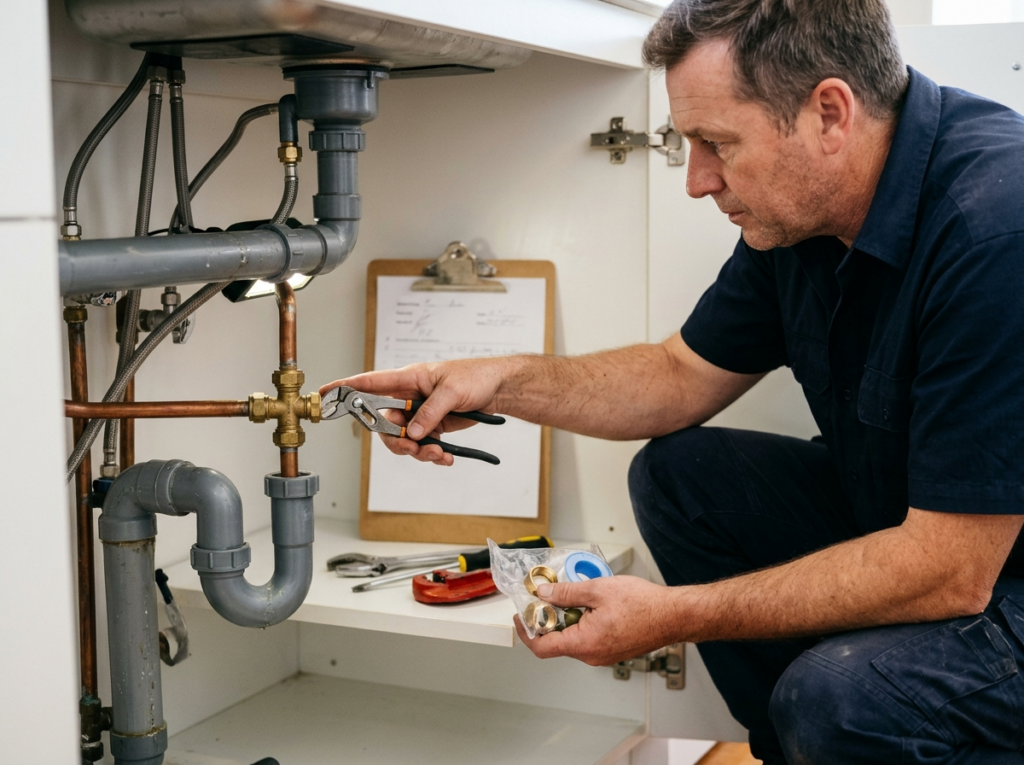
The quote should identify the reported issue and describe the proposed solution in plain English. Because a description such as “repair leaking kitchen tap” is just a starting point, it may not explain whether the plumber intends to replace a washer, cartridge, fitting, or the complete tap.
So, ask the plumber to clarify the scope if the description could refer to several different repairs. If the cause has not yet been established, the quote should distinguish the initial inspection from any subsequent repair.
2. Labour, Parts, Materials and GST
Check whether the price covers labour, replacement components, consumables, and any necessary equipment. A fixed-price quote may combine these costs into one total, while a time-and-materials arrangement may list them separately.
So, neither format is automatically better. What matters is that you understand the charging method and the likely financial commitment.
- Labour: Is it a fixed amount, an hourly rate, or an estimate?
- Parts and materials: Which components are included, and who supplies them?
- Call-out and travel: Are attendance, travel, or minimum charges included?
- GST: If the business is registered for GST, confirm the GST-inclusive total and how GST is shown.
- Other costs: Are disposal, specialist equipment or additional testing charged separately?
For a larger repair, an itemised breakdown can make comparisons easier. For a small, clearly defined job, however, a single total can also be reasonable if the inclusions are explicit.
3. Call-Out Fees, Exclusions and Additional Charges
Find out whether the initial attendance fee is included in the quoted amount or charged separately. Also check whether after-hours work, extra labour, specialist inspections or return visits could attract additional fees.
Also, exclusions deserve equal attention. A quote may cover repairing a visible leak without including plaster repairs, repainting, replacement of damaged cabinetry or investigation of a separate fault.
Ask what is excluded and under what circumstances the price could change. If the plumber discovers an unexpected issue, request an explanation and revised written scope before approving additional work, except where immediate action is reasonably necessary to address an urgent safety or property-protection issue.
4. Inspection Findings, Access and Timing
The quote should record relevant findings from the inspection and identify any uncertainties that could affect the repair. This is particularly important when pipework is concealed, access is restricted, or the fault occurs intermittently.
Check whether access panels, excavation, removal of fixtures, or specialist equipment are included. Also, make sure you confirm the expected start date, approximate duration, and any access arrangements required at the property.
Where the job involves leak detection, ask what investigation is included and whether you will receive findings or a report. A separate diagnostic stage may be appropriate when the leak’s location or cause cannot yet be confirmed.
5. Licensing, Compliance and Documentation
Check the relevant plumber’s registration or licence details and confirm that their authorised work covers the task. In Victoria, the Building and Plumbing Commission provides a practitioner search for checking credentials.
So, ask whether a plumbing compliance certificate is required for the proposed work and who will provide it. The applicable requirements depend on the type and value of the work; do not assume every minor repair has the same certification requirements.
For more substantial jobs, also clarify applicable warranties, payment terms, the quote’s expiry date, and how acceptance should be recorded. Keep the accepted quote, variations, invoices, and any relevant reports together.
A Plumbing Quote Checklist Before You Approve the Work
Before accepting a quote from a plumber in Melbourne, you may use this checklist to confirm that the work and financial arrangements are clear.
- Scope: Does the quote describe the reported fault and the work proposed to address it?
- Diagnosis: Is investigation included, or is a separate diagnostic fee possible?
- Labour: Is labour fixed-price, hourly or estimated?
- Materials: Are the necessary parts, fittings and equipment included?
- Total: Is the GST-inclusive price clear where applicable?
- Fees: Are call-out, travel, emergency and after-hours charges explained?
- Exclusions: Is any access work, reinstatement or follow-up visit excluded?
- Timing: Is there an expected start date and duration?
- Credentials: Have you checked the relevant practitioner details and compliance requirements?
- Changes: Is there a clear process for discussing and approving extra work?
If a material detail is missing, ask for clarification before you accept the quote. You do not need every small component listed separately for every job, but you should understand the agreed outcome and the circumstances that could change the price.
How to Compare Two Plumbing Quotes Fairly
Imagine you have requested two quotes for the same leaking kitchen tap.
| Quote detail | Quote A | Quote B |
| Price | $180 | $240 |
| Work described | Repair leaking tap | Inspect tap, replace specified worn component, and test operation |
| Parts | Not specified | Replacement component included |
| Diagnosis | Not stated | Initial inspection included |
| Exclusions | Not stated | Replacement of the complete tap excluded |
Note: The following example is hypothetical and illustrates differences in scope, not actual Melbourne market prices.
Quote A is cheaper, but its scope is unclear. However, Quote B provides more detail, yet you should still confirm its final inclusions, GST treatment, and whether any separate attendance charge applies.
The next step is to ask both plumbers to clarify the same points. If Quote A covers exactly the same work and conditions at a lower total, it may represent better value. If it excludes parts or diagnosis, the prices are not directly comparable.
The idea is simple: compare equivalent work before deciding which price suits your budget and requirements. A higher quote is not automatically better, and a lower quote is not automatically a warning sign.
What Different Plumbing Jobs Should Specify
Blocked Drains and Drain Cleaning
For blocked drains in Melbourne, property owners like you need to establish whether the quote covers clearing the blockage only or also investigating its cause. Also, ask whether CCTV inspection, high-pressure jetting, a written drain report, or structural repairs are included or charged separately.
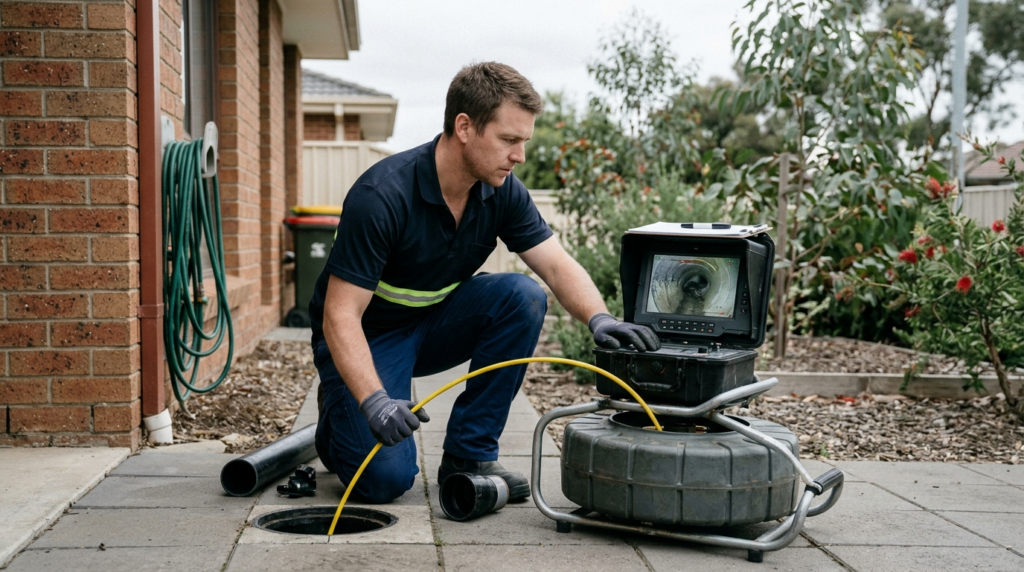
If the drain blocks repeatedly, understanding the cause may be important before authorising more extensive work. So, the quote should make clear which stage is covered and what findings would trigger a new proposal.
Leak Detection, Burst Pipes and Roof Leak Repair
With leak detection, the source may not be visible when the plumber first attends. So, clarify the inspection method, the extent of investigation, any reporting, and whether the repair is included in the same price.
For burst pipes, establish whether the quote covers the damaged section, replacement fittings, testing, and any necessary access work. In an emergency, ask which immediate actions are authorised and what further repairs may require approval.
A roof leak repair may also involve more than the visible water entry point. So, it is crucial to confirm whether the quoted work addresses the suspected source, what areas can be inspected safely, and whether a separate roof report or further investigation is needed.
Commercial Plumbing Services and Plumbing Maintenance
Commercial plumbing services may require coordination with tenants, building managers, or site personnel. Confirm access arrangements, work hours, operational disruption, reporting requirements, and any necessary approvals.
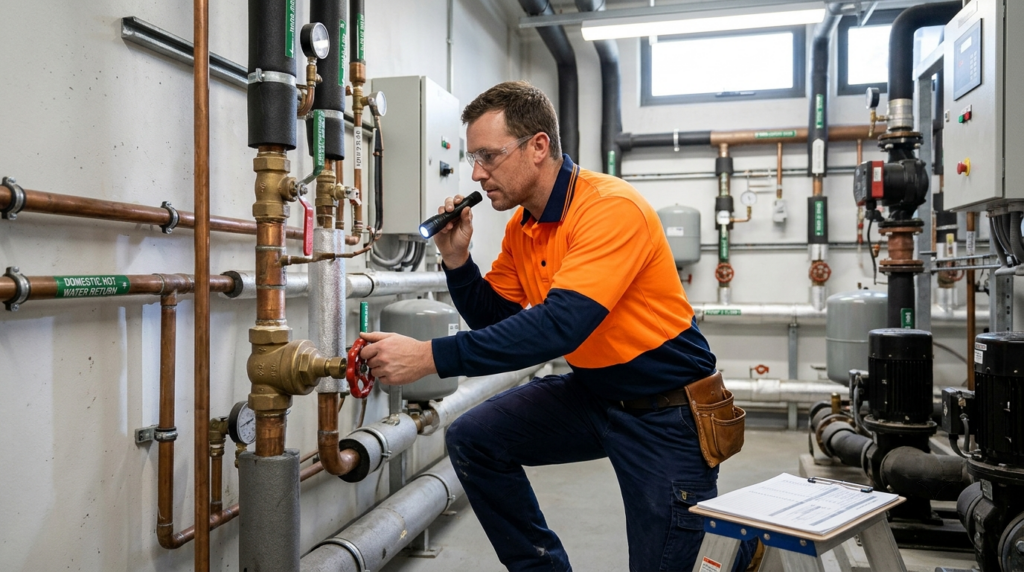
For ongoing plumbing maintenance, establish which assets or fixtures are covered, what work is included in each visit, how faults are reported, and whether repairs discovered during maintenance are quoted separately.
Questions to Ask Your Plumber Before Accepting a Quote
- Does the total include labour, materials, attendance, and GST where applicable?
- What inspection or diagnostic work is included?
- Which parts of the repair are excluded?
- What could cause the price or completion time to change?
- Will you explain the additional work and obtain my approval before proceeding?
- What documentation or compliance certificate will I receive, if required?
If you need to clarify your rights or responsibilities, or you need additional guidance on quote inclusions, labour and material costs, call-out fees, and changes to agreed work, check out the Consumer Affairs Victoria guide to giving quotes for tradespeople and small works.
Frequently Asked Questions
For a non-urgent job, comparing two or more quotes can help you assess the proposed scope, price, and exclusions. Compare the work being offered rather than choosing solely by the lowest total.
Sometimes, a clearly defined repair can be priced using the information supplied. Hidden leaks, recurring blockages and inaccessible pipework may require an inspection before a firm repair price can be established.
A quote sets out a proposed price for defined work, subject to its terms and any agreed variations. An estimate is an indication of likely cost and may change as more information becomes available. Ask which you are receiving.
Not necessarily for every small job. A single fixed price can be appropriate when the scope and inclusions are clear. For complex work or time-and-materials arrangements, a breakdown is useful for understanding how the total is calculated.
Ask for an explanation of the finding, the additional work proposed, and its cost. Request a written variation or revised quote and approve it before proceeding where practicable, particularly when the extra work is not urgent.
Use the Building and Plumbing Commission’s public practitioner search to check the relevant registration or licence details and authorised classes of work. Confirm that the credentials apply to the person undertaking your job.
Not automatically for every job. Ask whether a certificate is required for the specific work, whether its issue is included, and who is responsible for providing it. Victorian requirements depend on the work undertaken.
Get Clarity on Your Plumbing Job
A useful plumbing quote should help you understand the problem, the proposed repair, the price, and any limitations before you commit. Taking time to clarify these details can make comparisons fairer and reduce avoidable misunderstandings during the job.
If you are looking for plumbing services in Melbourne property owners usually enquire about, start by describing the issue to professional plumbers, explain any previous repairs and note access restrictions. Then, you may request a clear scope and ask which parts of the work can be priced upfront.
So, whether you need plumbing maintenance, a blocked drain investigation, or a leaking tap repaired, clear information is a practical first step towards choosing the right service for your property.