



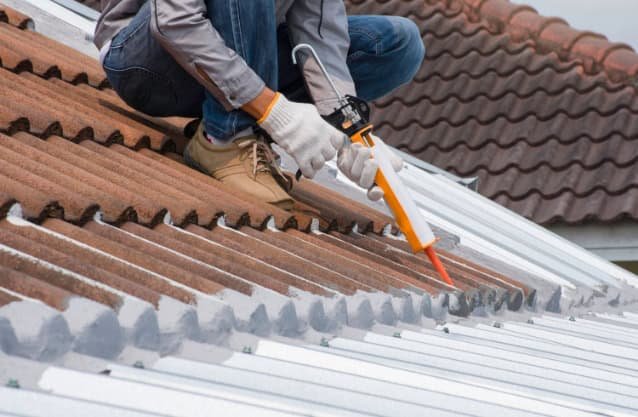
If you have paid for leaking roof repairs only to see the same ceiling stain return after the next downpour, it is reasonable to question whether another patch is the right answer. The problem could be an isolated fault that needs a targeted repair, or it could indicate a wider issue with the roof covering, flashing, gutters or drainage.
For property owners, the sensible next step is to go for an inspection of water Leak Detection in Melbourne and assess the condition of the surrounding roof. A roof leak repair may be enough when the defect is localised, and the rest of the roof remains serviceable.
Broader restoration done by a roof plumber in Melbourne or replacement may deserve consideration when deterioration is more extensive because a recurring leak does not automatically mean you need a new roof.
The key is to make the decision from inspection findings, not the ceiling stain alone.
Repair, Restore or Replace: Which Option Fits Your Roof?
The right option depends on the cause of the leak, the condition of the roof system, and whether the problem is confined to one area or appearing across several sections.
| Option | When it may be suitable | What to establish first |
| Targeted repair | A clearly identified, isolated fault with otherwise serviceable surrounding materials. | Whether the actual water entry point has been found and the repair addresses its cause. |
| Broader restoration | Several related defects or ageing components need coordinated work, but the main roof system may remain suitable to retain. | Whether the roof substrate, drainage and key junctions can support a lasting restoration. |
| Replacement assessment | Deterioration is widespread, multiple areas continue to fail, or repeated repairs are no longer a sensible long-term approach. | The extent of damage, expected scope of future work, access requirements and comparative costs. |
These are general decision guidelines, not a diagnosis. Roof type, installation, exposure, maintenance history, and concealed conditions all affect what is appropriate. Ask the plumber in Melbourne to explain the evidence behind the recommendation and identify any areas that could not be inspected.
Why Does My Roof Keep Leaking After Repairs?
A roof leak can be difficult to trace because the point where water appears inside is not necessarily where it enters the building. Water may travel along roof sheets, flashing, framing, or insulation before reaching a ceiling or wall. Repairing the visible stain, or sealing the nearest convenient spot, may leave the original entry point untouched.
The original source was not identified
If the same leak returns after a previous repair, ask whether the earlier work addressed a confirmed defect or only a suspected one. The investigation may need to revisit the original area and check nearby roof junctions, penetrations, and drainage components.
Water is entering around a junction
Roof coverings are only part of the system. Flashings around vents, skylights, wall junctions, and valleys help direct water away from vulnerable openings. If one of these details has deteriorated or been repaired incorrectly, water may continue to find a path indoors.
Drainage is contributing to the problem
Blocked gutters, damaged downpipes or a drainage arrangement that cannot handle the conditions may contribute to water backing up or overflowing. A roof inspection should consider how water moves across the roof and away from the building, rather than looking only at the ceiling below.
Several components are deteriorating
One damaged section can be repaired without replacing the entire roof. However, if multiple sheets, tiles, flashings or drainage components are failing, separate patch repairs may not address the wider condition. A broader assessment helps determine whether the defects are independent or signs of a more extensive problem.
When Are Roof Leak Repairs Enough?
Targeted roof leak repairs may be appropriate when the fault is localised, the cause can be identified, and the surrounding materials remain in serviceable condition.
- A single damaged component: One tile, sheet, flashing, or connection is defective while nearby areas appear sound.
- A defined entry point: Inspection findings identify the location and likely cause of water entry.
- No evidence of widespread deterioration: The surrounding roof and drainage system do not show a pattern of similar failures.
- A clear repair scope: The right roof plumber in Melbourne can explain what will be repaired, what is excluded, and how the work addresses the cause.
A previous repair is not automatically a failure simply because another leak appears elsewhere. The new leak could have a different cause. Equally, a repair that repeatedly fails in the same location deserves further investigation rather than another identical patch without a clear explanation.
Before approving work, ask: Where is the water entering? What evidence supports that conclusion? Is the surrounding material still sound? What could prevent the problem from recurring? These questions help you compare Roof Leak Repair proposals on more than price alone.
When Should You Consider Roof Restoration or Replacement?
When broader restoration may be worth assessing
Restoration may be considered when the roof has several related defects, but its underlying system remains suitable to retain. The scope could involve coordinated repairs to multiple components, renewal of deteriorated details, or other work appropriate to the roof type.
However, a coating or surface treatment may not solve every leak, and restoration cannot compensate for every drainage fault, unsound substrate, or poorly detailed junction. The proposed method should match the diagnosed cause and the condition of the materials underneath.
When a replacement assessment may make more sense
A replacement assessment may be warranted when deterioration is widespread, numerous areas are failing, previous repairs have not resolved recurring problems, or the roof system is no longer a practical candidate for continued repair.
Consider the likely scope of work, not just the immediate quote. Repeated call-outs, internal damage, access arrangements and the disruption involved in future repairs can all affect the decision. A property manager may also need photographs, a written scope and an itemised estimate to explain the options to an owner or committee.
There is no single roof age that makes replacement compulsory for every property. Material type, workmanship, exposure, maintenance and the condition found during inspection matter more than age alone. A qualified professional should explain whether replacement is necessary, advisable, or simply one option to compare.
What Happens During a Professional Roof Inspection?
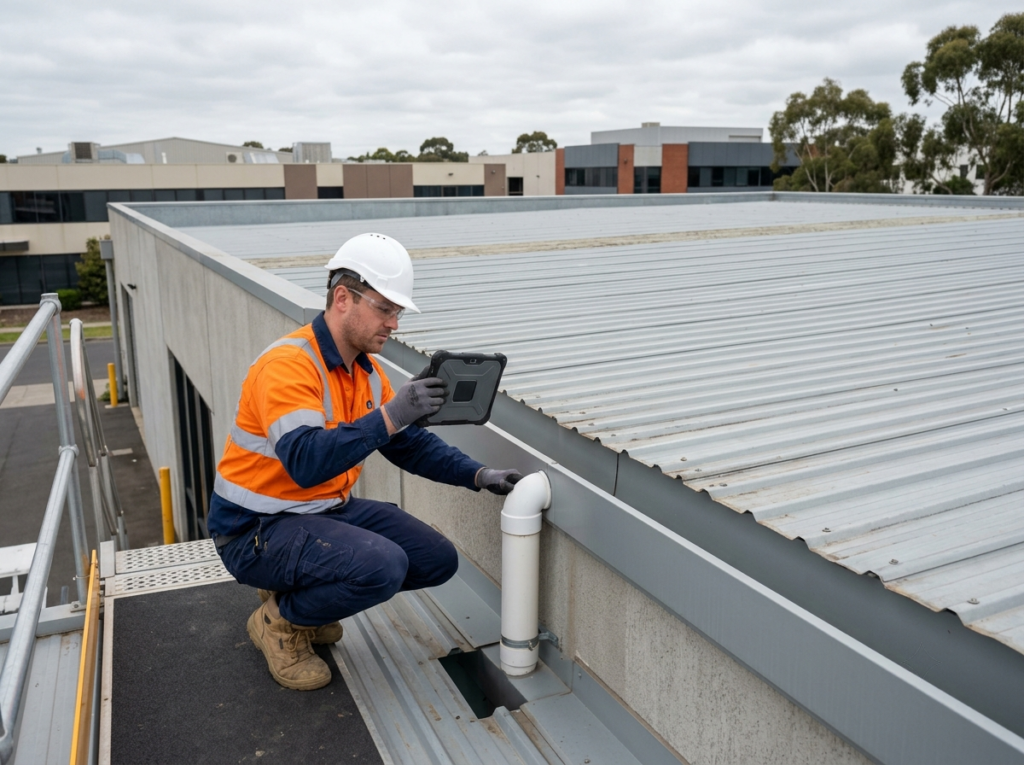
A useful inspection should help answer two questions: where is water entering, and how much of the roof needs attention? The right roof inspection service provides detailed inspections and reports that identify concerns, outline recommended repairs or replacement, and help property owners understand the work required.
Depending on the roof and safe access, an inspection may include:
- Reviewing the leak history: When the leak occurs, how severe the rain is, which rooms are affected, and what previous contractors repaired.
- Checking the roof covering: Looking for visible damage, deterioration, displaced components, or other defects relevant to the roof type.
- Inspecting flashings and penetrations: Examining junctions around vents, skylights, walls, and valleys where water may enter.
- Assessing gutters and downpipes: Looking for damage, blockage, overflow evidence, or other drainage concerns.
- Documenting findings: Recording accessible defects and distinguishing observed evidence from areas that need further investigation.
- Explaining the next step: Outlining the recommended repair, any wider work to consider, and an estimate or scope appropriate to the assessment.
Not every concealed leak can be confirmed through a visual inspection alone. Further investigation or controlled access may be required, and any intrusive testing should be explained before it proceeds.
For recurring leaks, a written report can be particularly useful when a landlord, owners corporation or commercial property manager needs to compare proposals or plan maintenance expenditure.
Checklist Before Authorising More Roof Work
Before approving another repair, use this checklist to make sure the proposed work addresses the actual problem.
- Has the source been identified? Ask the contractor to explain where water is entering and what evidence supports the diagnosis.
- Is the fault isolated or widespread? Confirm whether nearby roof materials, flashings, and drainage components have been assessed.
- What exactly will the quote cover? Request a written scope that states the repair area, included work, exclusions, and any assumptions.
- What happens if concealed damage is found? Ask how additional work will be documented, priced, and approved before it proceeds.
- Should you compare a wider scope? If several areas are deteriorating or the same repair keeps failing, ask whether restoration or a replacement assessment is justified.
- What records will you receive? Where relevant, request photographs, a report, maintenance recommendations, and applicable warranty or compliance documents.
The aim is not to demand the most extensive option. It is to understand the cause, the condition of the roof, and the reasoning behind the recommended scope before spending more money.
How to Reduce the Risk of Another Roof Leak
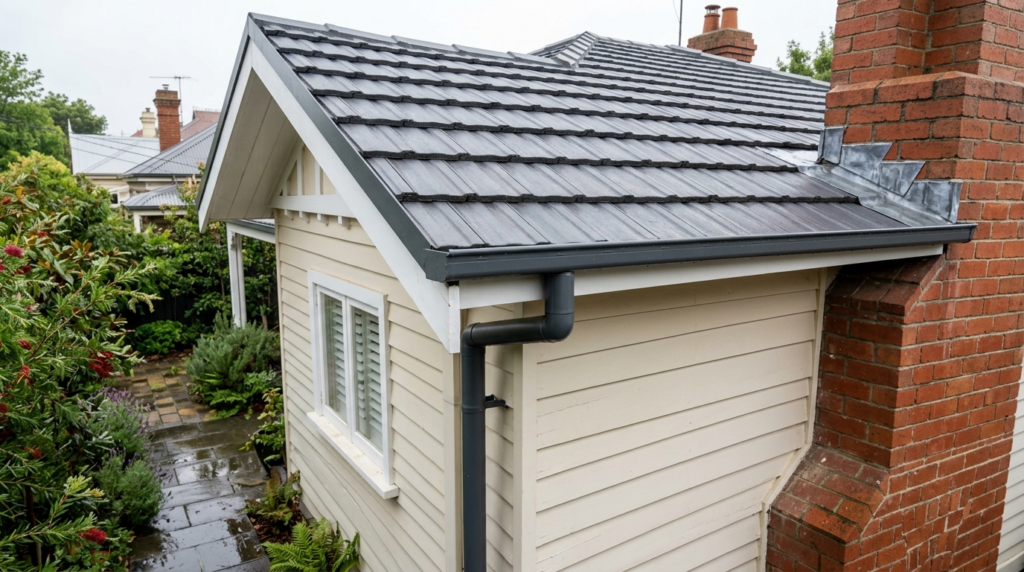
Preventive maintenance cannot eliminate every leak, but it can help identify developing problems before they cause more damage. Periodic checks should consider the roof covering, visible flashings, gutters and downpipes, particularly after severe weather or when a leak has already occurred.
Keep a simple record of the date of each leak, the weather conditions, the affected rooms, photographs, and any work completed. If the problem returns, these details can help the next contractor compare the symptoms with previous findings rather than starting with incomplete information.
For a home, the priority may be protecting ceilings, insulation, and belongings. For commercial properties and managed buildings, planning access and coordinating repairs around occupants or operations may also be important.
Frequently Asked Questions About Leaking Roof Repairs
The original water entry point may not have been identified, the repair may not have addressed the underlying fault, or another component may have deteriorated. A further inspection can help establish which explanation fits the evidence.
Repair may suit an isolated fault in an otherwise serviceable roof. Replacement may be worth assessing when deterioration is widespread or repeated repairs no longer offer a practical long-term solution. The decision should follow an inspection, not the leak alone.
No. A recurring leak is a reason to investigate the cause, not proof that the entire roof has failed. A targeted repair may still be suitable if the fault is isolated and the surrounding roof is sound.
Yes. Water can travel along roof components, framing, or insulation before becoming visible indoors. The location of a ceiling stain does not necessarily identify the roof entry point.
Restoration may be suitable when several components need coordinated work, but the main roof system remains serviceable. The proposed scope must address the underlying defects rather than simply cover up visible symptoms.
A useful report should describe the inspected areas, documented defects, areas of concern and recommended next steps. Depending on the job, it may also include photographs, an itemised scope, cost estimates and notes about areas that could not be inspected.
Yes. Consumer Affairs Victoria lists a serious roof leak as an urgent repair. Renters should notify the rental provider or agent promptly and follow the relevant process. See the official rental property repairs guidance for details.
Need a Clearer Picture of Your Roof?
If your roof has leaked more than once, the next step does not have to be another guess. Understanding the source of the leak and the condition of the surrounding roof can help you decide whether a targeted repair is appropriate or a broader assessment is needed.
MKS Plumbing provides maintenance plumbing services for residential and commercial requirements, including roof-related maintenance. So, visit the roof leaks service page or learn about roof reports to discuss the issue and the information needed to assess it.
Practical next step: Record when the leak occurs, photograph visible internal staining from a safe position, and keep any previous repair invoices or reports available for the inspection.